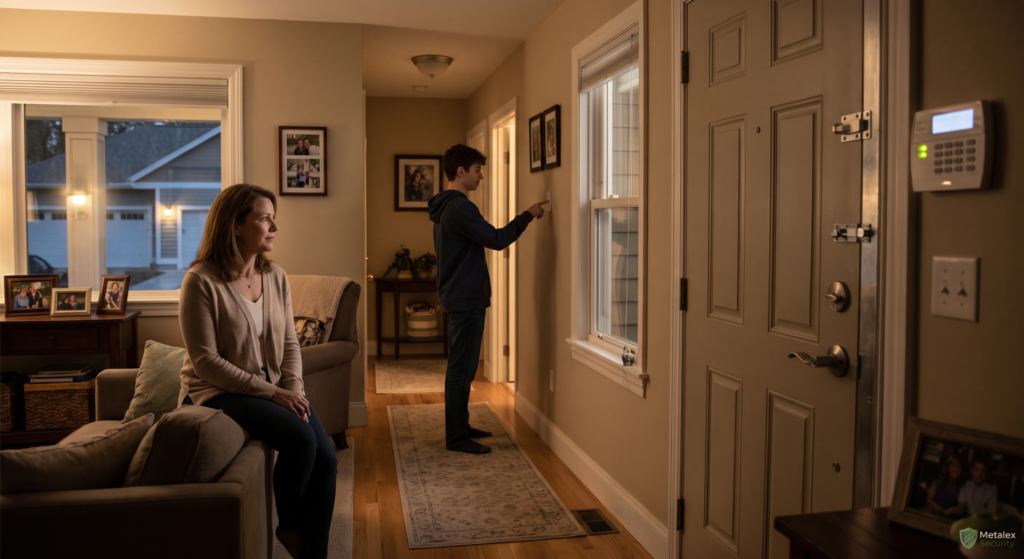
What stayed with Elaine was how ordinary the evening had been. Her son was rinsing dinner plates. The television was on. Then someone tried to force the front door. Police would later tell her they believed the person had come armed and intended to shoot someone.
In this fictional account, the family gets to safety and calls 911. Nobody is shot. Weeks later, Elaine still pauses when someone knocks. Her son leaves the hallway light on. Even after the door is repaired and the police have gone, the family has to learn how to feel at home again.
On November 25, Toronto police say someone forced their way into a home near Poplar Plains Road and St. Clair Avenue West. Michael Eckert, 39, was shot and later died in hospital. Three other residents were unhurt. Police have not publicly identified a motive in the case, which remains under investigation.
What brings someone to the point of intending to shoot another person in their home? There is no single path. An armed invasion can grow out of a desire for revenge, an attempt to intimidate someone, or a robbery in which the attacker has already decided to use lethal violence.
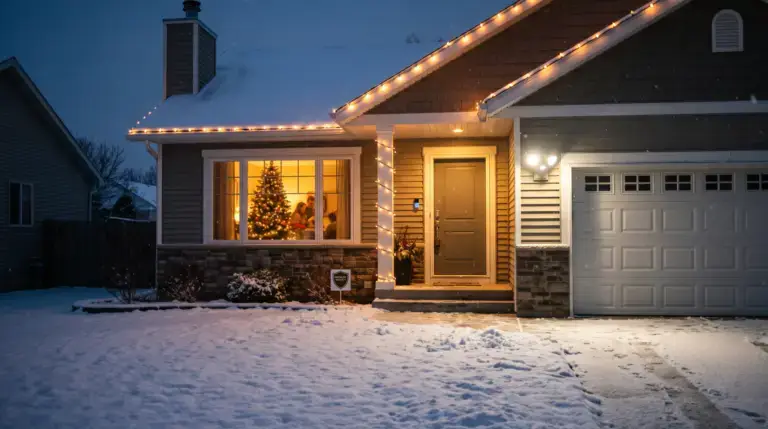
For homeowners, prevention starts with the places the family uses every day. Toronto Police recommend solid exterior doors, quality deadbolts and reinforced strike plates. Check the door from the garage into the house, too. A lock depends on the strength of the frame and how the hardware is installed.
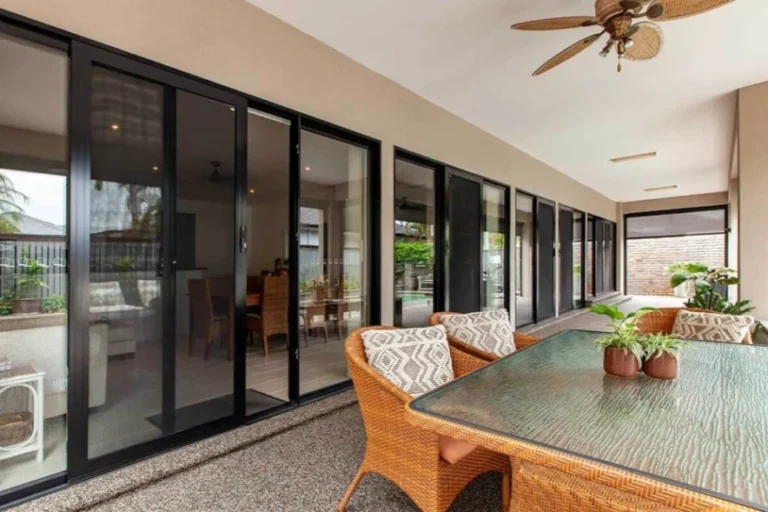
Walk around the house and check that reachable windows close and lock securely. Check patio doors for proper locks or a security bar. Motion lighting can improve visibility. If you have an alarm, test the sensors and make sure everyone who lives there knows how to use it.
Make a habit of keeping the door locked while you are home. If someone arrives unexpectedly claiming to be from a utility or delivery company, speak through the closed door. If you need to verify a service visit, call the company using a number you look up yourself.
Talk through an emergency plan. Decide where family members can go if they can leave safely and who will call 911. If someone is forcing entry, get to safety if you can, avoid confrontation and follow the dispatcher’s instructions. If you come home to signs of a break-in, stay outside and call 911.
A trusted neighbour can help. Exchange phone numbers and agree to call police if either of you sees a crime in progress. If you are away, ask that neighbour to pick up packages or keep an eye on the property. Everyday cooperation gives people a way to act quickly.
On the first evening Elaine felt comfortable sitting near the front window again, her son switched off the hallway light. They had strengthened the door and talked about what to do if danger returned. The responsibility for the violence belonged to the attacker. The family’s decisions helped them regain some peace in their home.